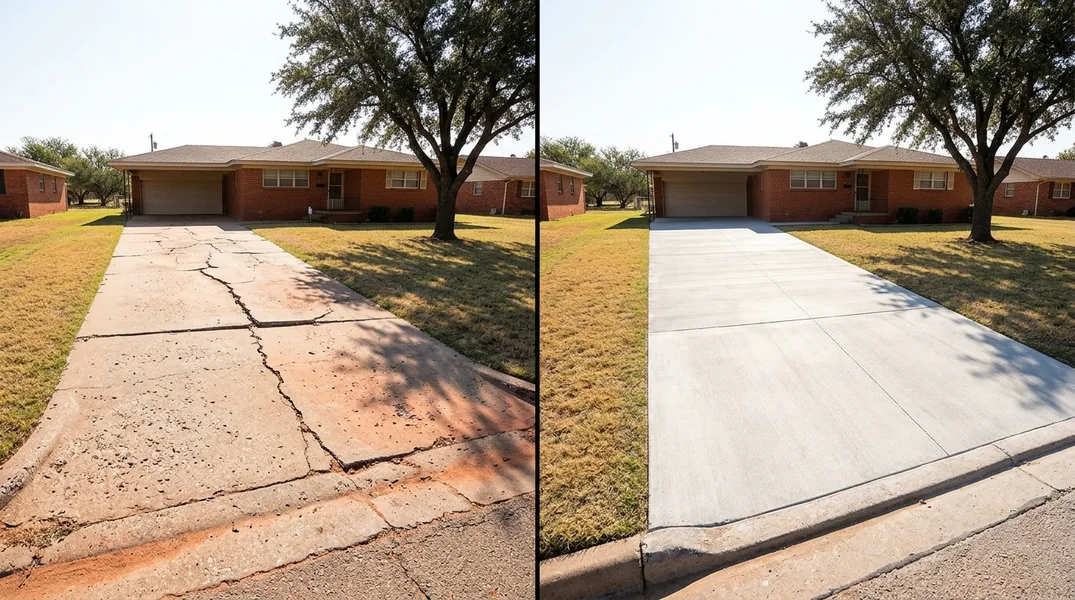
Understanding Wichita Falls Climate and Concrete Curing
If you're planning a Concrete Driveways project in Wichita Falls, timing is everything. The local climate plays a crucial role in how your concrete sets, cures, and performs over the long term. Unlike some regions with mild, predictable weather year-round, Wichita Falls experiences significant seasonal swings that directly impact concrete quality and durability.
Concrete doesn't simply harden like cement in a bucket. It undergoes a chemical process called hydration, where water and cement compounds react to create a strong, durable surface. This process is highly sensitive to temperature and moisture conditions. Too much heat causes concrete to cure too quickly, trapping internal stress that leads to cracking. Too little heat slows curing dramatically, and freezing temperatures can damage concrete before it's fully set. Understanding these dynamics helps you choose the right window for your project and avoid costly mistakes.
Spring: The Ideal Season for Concrete Projects
Spring, particularly March through May, represents the sweet spot for pouring concrete in Wichita Falls. During these months, daytime temperatures typically range from 60 to 80 degrees Fahrenheit, providing ideal conditions for concrete hydration. The weather is generally stable, with less extreme temperature fluctuation between day and night, which allows concrete to cure evenly and develop maximum strength.
Spring also brings moderate rainfall, which can actually benefit your project if managed correctly. Moisture supports the curing process, and the cooler temperatures mean concrete won't dry out too quickly. If you're considering Concrete Patios or other outdoor installations, spring scheduling gives you the flexibility to plan around occasional rain without major disruptions. Many homeowners and contractors in the region prioritize spring for major concrete work, so it's worth calling Wichita Falls Concrete at (940) 400-3370 early to secure your preferred timeline.
Summer Heat: Why Hot Weather Concrete Pouring Requires Extra Care
Summer in Wichita Falls brings intense heat, with temperatures regularly exceeding 95 degrees Fahrenheit from June through August. While concrete can be poured in hot weather, it demands specialized techniques and close monitoring. Hot weather concrete pouring accelerates the hydration process, which sounds beneficial but actually creates serious problems. Concrete that cures too rapidly develops internal stress, leading to surface cracks, reduced strength, and premature failure.
The challenges don't stop at curing speed. In peak summer heat, concrete can dry from the surface inward, leaving moisture trapped inside. This uneven drying creates weak spots and increases the risk of scaling, where the surface layer flakes away. Additionally, the intense sun can cause the concrete to shrink unevenly, resulting in stress cracks that compromise both appearance and structural integrity. If you must pour concrete during summer months, a qualified Wichita Falls Concrete contractor will use cooling techniques, shade protection, and extended misting to manage the process. However, most professionals recommend postponing non-urgent projects until cooler months.
Fall: A Secondary Window for Concrete Installation
September and October offer a second opportunity for concrete work in Wichita Falls. As temperatures drop from summer highs to more moderate levels, conditions become favorable again. Fall curing is often compared favorably to spring, though the window is typically narrower. By late October and November, nighttime temperatures begin dropping significantly, which can create challenges if temperatures dip below 50 degrees Fahrenheit.
The advantage of fall projects is reduced competition for contractor scheduling. Many homeowners focus on spring work, leaving fall as a less-crowded season. This can mean faster scheduling and potentially more flexible pricing options. However, you'll need to move quickly. Once November arrives, the risk of frost and freeze-thaw cycles increases substantially, making concrete installation considerably riskier. If you're interested in fall scheduling, reach out to Wichita Falls Concrete promptly to discuss your free estimate and project timeline.
Winter Freezes: Why Cold Weather Concrete Pouring Is Risky
Winter poses the greatest challenge for concrete work in Wichita Falls. From December through February, temperatures frequently drop below freezing, sometimes for extended periods. Concrete curing and freezes are fundamentally incompatible. When concrete hasn't fully cured and is exposed to freezing temperatures, water within the concrete expands as it turns to ice. This expansion creates internal pressure that causes cracking, spalling, and structural damage that may not be immediately visible but will worsen over time.
The risk window extends beyond just the day of pouring. Concrete typically requires 7 days of proper curing before it reaches adequate strength to withstand freeze-thaw cycles. If nighttime temperatures drop below 40 degrees Fahrenheit during this critical period, the concrete is vulnerable. Some contractors attempt winter pours with heated enclosures and specialized concrete mixes, but these methods are expensive and don't eliminate risk entirely. Unless your situation is truly urgent, winter is the time to plan and prepare for spring work rather than attempt installation. If you have questions about whether your project can safely proceed during cold months, Wichita Falls Concrete at (940) 400-3370 can provide expert guidance.
Planning Your Concrete Project: When to Schedule and What to Expect
Deciding when to pour concrete requires balancing weather conditions, contractor availability, and your project timeline. Start by identifying your project type. Stamped & Decorative Concrete installations benefit even more from ideal conditions than standard driveways, since surface quality is critical to the final appearance. Concrete Repair & Resurfacing projects may have more flexibility depending on the specific work involved.
Once you've identified your needs, contact a local Wichita Falls Concrete contractor for a consultation. A professional can assess your specific site conditions, discuss weather patterns relevant to your project, and recommend the optimal timing. They'll also explain what to expect during curing, how to protect your new concrete, and what maintenance practices extend its lifespan. Spring remains the top choice for most projects, but fall can work well if scheduled early enough. Avoid summer heat and winter freezes unless your situation is exceptional. By planning ahead and working with experienced professionals, you'll ensure your concrete investment delivers years of reliable performance. Call Wichita Falls Concrete at (940) 400-3370 today to discuss your project and secure your ideal installation date.
Looking for a professional concrete contractor in Wichita Falls? Wichita Falls Concrete responds fast for all your concrete needs.
Get a Free QuoteOur services: Concrete Driveways · Concrete Patios · Stamped & Decorative Concrete