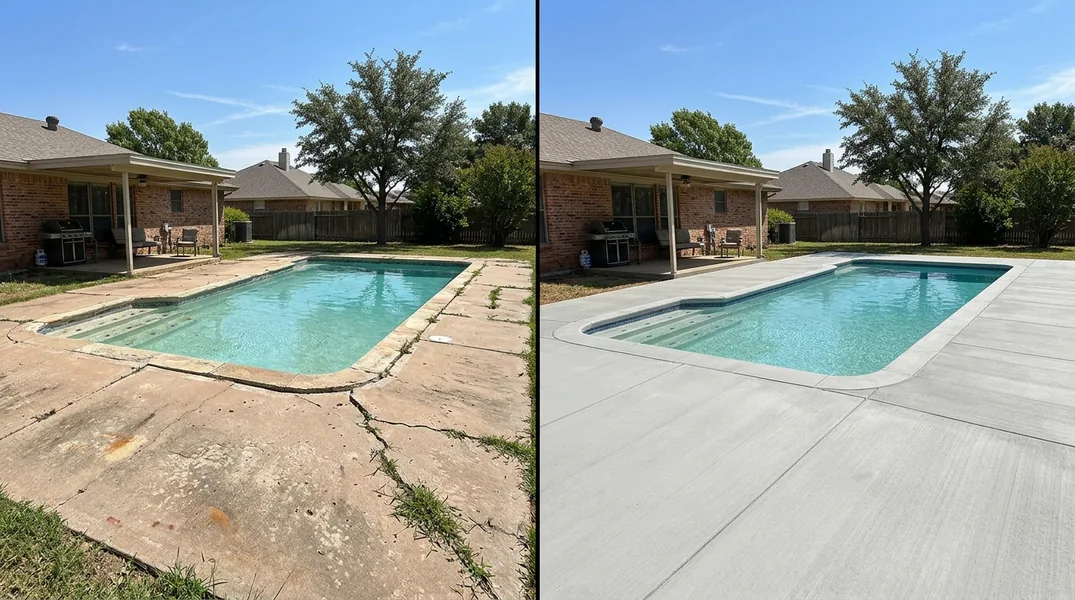
Concrete vs. Pavers: Understanding Your Options
When it comes to upgrading your driveway or patio in Wichita Falls, one of the biggest decisions you'll face is choosing between concrete and pavers. Both are popular, durable options that can enhance your home's curb appeal and functionality, but they offer distinctly different benefits and drawbacks. Understanding the key differences between these two materials is essential before making your investment.
Concrete Driveways have been a trusted choice for decades, offering a solid, long-lasting surface that can withstand heavy traffic and harsh weather conditions. Pavers, on the other hand, are individual units that interlock or are set in sand, creating a more flexible surface with a distinctive aesthetic appeal. Both materials serve the same purpose but deliver different experiences in terms of appearance, maintenance, longevity, and overall value.
Durability and Lifespan: Which Lasts Longer?
Durability is often the first concern for homeowners investing in a new driveway or patio. Concrete typically lasts 25 to 40 years or more with proper maintenance, making it one of the most durable surface options available. The material is monolithic, meaning it's poured as one continuous slab that resists movement and settling. In Wichita Falls, where temperatures can fluctuate seasonally, concrete's solid structure provides reliable performance year after year.
Pavers generally have a lifespan of 20 to 25 years, though individual pavers can last much longer if maintained properly. The advantage of pavers is that if one becomes damaged, you can replace just that single unit rather than resurfacing an entire section. However, the sand base beneath pavers can shift over time, especially in areas with freeze-thaw cycles or heavy rain, potentially causing uneven surfaces and the need for releveling. While pavers offer flexibility in repairs, concrete's monolithic structure often provides superior longevity in a single installation.
Maintenance Requirements: Concrete vs. Pavers
Maintenance is a critical factor that many homeowners overlook when comparing these materials. Concrete requires relatively minimal upkeep, typically just regular sweeping, occasional washing with a garden hose, and sealing every 2 to 3 years to protect against staining and moisture penetration. Concrete Repair & Resurfacing services are available if cracks or spalling occur, but these issues are often preventable with proper sealing and care. For most homeowners, concrete maintenance is straightforward and affordable.
Pavers demand more attention to stay in pristine condition. The joints between pavers can accumulate dirt, weeds, and debris, requiring regular cleaning and weeding. The sand base may need replenishing every few years as it shifts and compacts. Additionally, pavers can develop an uneven surface over time, necessitating professional releveling. While this extra maintenance can be seen as a drawback, some homeowners appreciate the ability to customize their pavers' appearance and the flexibility of individual replacements. If you're looking for a low-maintenance option, concrete is generally the more practical choice.
Aesthetic Appeal and Customization Options
When it comes to visual appeal, both concrete and pavers offer impressive design possibilities, though in different ways. Traditional concrete provides a clean, modern look that complements many architectural styles. However, if you want something more distinctive, Stamped & Decorative Concrete options allow you to mimic the appearance of stone, brick, tile, or wood while maintaining concrete's durability and low maintenance. Color stains and finishes can also be applied to create a truly custom appearance that reflects your personal style.
Pavers excel in versatility and visual variety. They come in countless colors, shapes, sizes, and textures, allowing you to create intricate patterns and designs that are difficult or impossible to achieve with concrete. Whether you prefer a classic herringbone pattern, a modern geometric design, or a rustic cobblestone look, pavers provide virtually unlimited customization. For homeowners who view their Concrete Patios as a design statement, pavers offer an unmatched level of aesthetic control. That said, the decorative concrete options available today have narrowed this gap considerably, making it more of a personal preference than a clear advantage for either material.
Cost Comparison: Concrete vs. Pavers Pricing
Budget is often the deciding factor for homeowners, and it's important to understand the true cost of each option. Concrete typically has a lower upfront cost, ranging from $4 to $15 per square foot depending on complexity, finishes, and local market conditions. The material is cost-effective to install and requires minimal specialized labor, which keeps initial expenses down. Over the life of the surface, concrete's lower maintenance costs mean you'll spend less money maintaining your investment over time.
Pavers generally cost more initially, typically ranging from $10 to $25 per square foot or higher for premium materials and intricate designs. The labor-intensive installation process, the need for proper base preparation, and the cost of individual units all contribute to higher upfront expenses. Additionally, ongoing maintenance costs for weeding, sand replenishment, and occasional releveling add to the total cost of ownership. While pavers may offer superior aesthetics and design flexibility, they represent a more significant financial commitment both initially and over their lifespan. For specific pricing for your project, Wichita Falls Concrete recommends getting a free estimate from a local professional who understands regional material costs and labor rates.
Climate Considerations: What Works Best in Wichita Falls
The climate in Wichita Falls plays an important role in determining which material will perform better for your specific situation. The area experiences hot summers and occasional winter freezes, along with moderate rainfall. Concrete handles these conditions well, as long as it's properly sealed and installed with adequate drainage. The monolithic structure resists the freeze-thaw cycles that can damage less robust materials, and the heat from summer sun doesn't typically cause significant problems for quality concrete installations.
Pavers can also perform adequately in the Wichita Falls climate, but homeowners need to be more vigilant about maintenance. Winter freeze-thaw cycles can cause individual pavers to shift or crack, and the sand base can compact unevenly. Heavy rain can wash away sand from the joints, requiring regular replenishment. For homeowners in Wichita Falls who want a worry-free surface that will reliably withstand local weather patterns year after year, concrete is generally the more practical choice. However, if you're willing to invest in regular maintenance and live in an area with good drainage, pavers can still be a beautiful and functional option.
Looking for a professional concrete contractor in Wichita Falls? Wichita Falls Concrete responds fast for all your concrete needs.
Get a Free QuoteOur services: Concrete Driveways · Concrete Patios · Stamped & Decorative Concrete