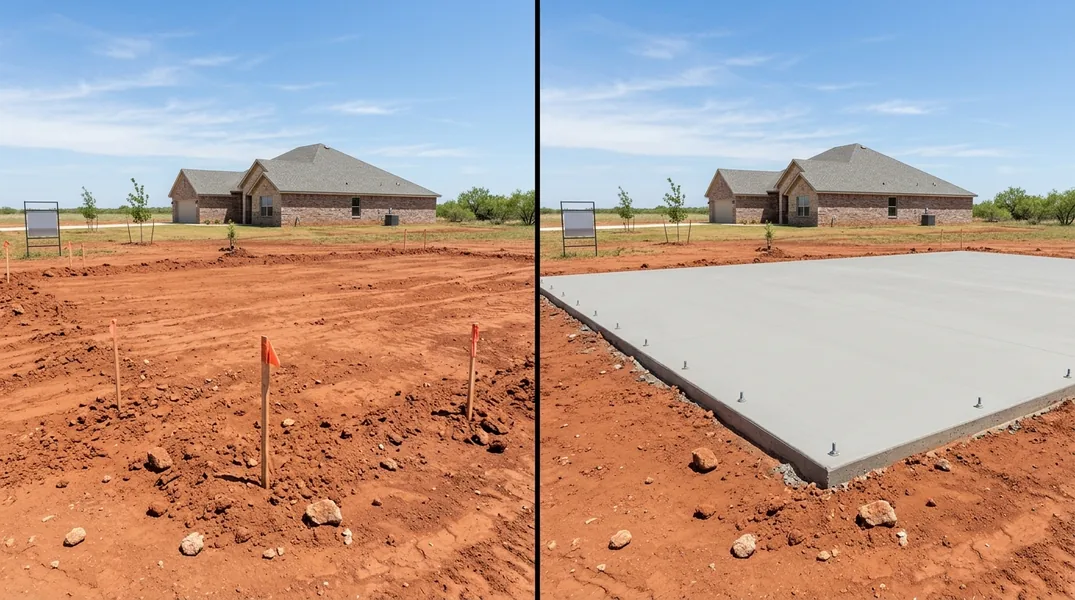
Understanding New Construction Concrete Slabs in Wichita Falls
Buying a new construction home in Wichita Falls is an exciting milestone, but it comes with responsibilities that many first-time homebuyers overlook. One of the most critical components of any new home is the concrete foundation slab, yet few buyers take the time to understand what they're actually purchasing. The foundation slab is literally the base upon which your entire home rests, making it far too important to ignore during the closing process.
A new construction concrete slab in Wichita Falls should be engineered and installed to withstand the region's unique climate challenges, including temperature fluctuations and soil conditions. When concrete is poured incorrectly or with substandard materials, problems can emerge years down the road, resulting in costly repairs. Understanding what to look for before you sign the final paperwork can save you thousands of dollars and prevent years of frustration with your new home.
What to Inspect Before Closing on Your New Home
Before closing on a new construction home, you should conduct a thorough visual inspection of the concrete slab. Look for visible cracks, particularly those wider than one-eighth of an inch, as these can indicate poor concrete quality or improper installation. Pay attention to areas where the slab meets the foundation walls, as settling cracks often appear at these transition points. Also check for uneven surfaces, low spots that might collect water, or any signs of heaving or displacement.
Beyond surface-level observations, hire a professional home inspector who specializes in builder foundation inspection. These experts have the training and tools to identify problems that untrained eyes might miss, such as inadequate drainage around the slab, improper slope for water runoff, or concrete that was poured in unsuitable weather conditions. Many builders expect this level of scrutiny, and a thorough inspection report gives you leverage to request repairs or credits before closing. Don't assume that new automatically means perfect. Construction errors happen, and catching them before you take ownership is your best opportunity for resolution.
Understanding Your New Home Foundation Warranty
Every new construction home should come with a new home foundation warranty that covers structural defects in the concrete slab and foundation system. In Texas, builders are typically required to provide a one-year warranty on workmanship and materials, though some builders offer extended warranties of up to ten years. Understanding the specific terms of your warranty is essential before you close. Read the fine print carefully, as some warranties have significant limitations or exclusions that might surprise you later.
Ask your builder to provide written documentation of the warranty, including what is covered, what is excluded, how long coverage lasts, and the process for filing a claim. Some warranties only cover structural failures that affect the home's habitability, while others are more comprehensive. Pay special attention to whether the warranty covers cosmetic cracks, settlement, or water infiltration. If you discover foundation issues after closing and they fall outside your warranty coverage, you'll be responsible for all repairs. This is why having a clear understanding of your new home foundation warranty before signing is so critical to protecting your investment.
Common Concrete Slab Issues in the Wichita Falls Climate
The climate in Wichita Falls presents specific challenges for concrete slabs. The region experiences significant temperature swings between seasons, which causes concrete to expand and contract repeatedly. Over time, this thermal stress can lead to cracking, especially if the concrete was not properly reinforced or if the slab was not given adequate time to cure before stress was applied. Additionally, the area's soil conditions, which can include clay with high shrink-swell potential, can cause uneven settling beneath the slab.
Water management is another critical concern for new construction slabs in this region. Poor drainage around the foundation can lead to water infiltration, which weakens the concrete and can eventually cause structural problems. Inspect the grading around your new home to ensure it slopes away from the foundation, directing water away from the slab rather than toward it. If you notice standing water, poor drainage, or signs of moisture intrusion in the basement or crawl space, these are red flags that should be addressed before closing. Understanding these regional challenges helps you ask smarter questions during your builder foundation inspection and ensures you're getting a slab designed for local conditions.
Questions to Ask Your Builder Before Closing
Come prepared to your pre-closing walkthrough with specific questions about the concrete slab. Ask your builder for documentation of the concrete specifications, including the mix design, strength rating (PSI), and the date it was poured. Request information about how long the concrete was allowed to cure before construction continued, as inadequate curing time can compromise strength. Ask whether the slab was reinforced with rebar or wire mesh, and if so, what type and spacing was used. These technical details matter because they directly affect the slab's durability and performance.
Also inquire about the builder's quality control process during the slab pour. Did they have an independent concrete contractor perform the work, or was it handled in-house? Were third-party inspections conducted during and after the pour? What is the builder's track record with foundation issues in other homes they've built? Don't hesitate to ask for references from other homebuyers in the same development. Finally, confirm in writing exactly what the builder will and won't fix related to the slab, and ensure any agreed-upon repairs are documented in your closing paperwork. These conversations might feel uncomfortable, but they're your opportunity to ensure you're making an informed decision about a six-figure investment.
When to Call a Professional for Concrete Assessment
If you discover issues with your new construction slab after closing, or if you want a professional assessment before making your purchase, contact Wichita Falls Concrete for expert guidance. While we specialize in Concrete Driveways, Concrete Patios, and Concrete Repair and Resurfacing, our team has extensive experience evaluating concrete quality and identifying problems that need attention. Whether you're concerned about visible cracks, drainage issues, or uneven surfaces, a professional assessment can give you peace of mind or help you document problems for warranty claims.
If you've already closed on your home and have discovered foundation or slab problems, don't wait. The sooner issues are identified and documented, the better your chances of resolving them through your warranty or builder's liability. Contact us at (940) 400-3370 to schedule a free estimate and get professional guidance on your specific situation. We serve Wichita Falls and surrounding areas, and we're committed to helping homeowners understand and protect their concrete investments.
Looking for a professional concrete contractor in Wichita Falls? Wichita Falls Concrete responds fast for all your concrete needs.
Get a Free QuoteOur services: Concrete Driveways · Concrete Patios · Stamped & Decorative Concrete